
Buying Guide
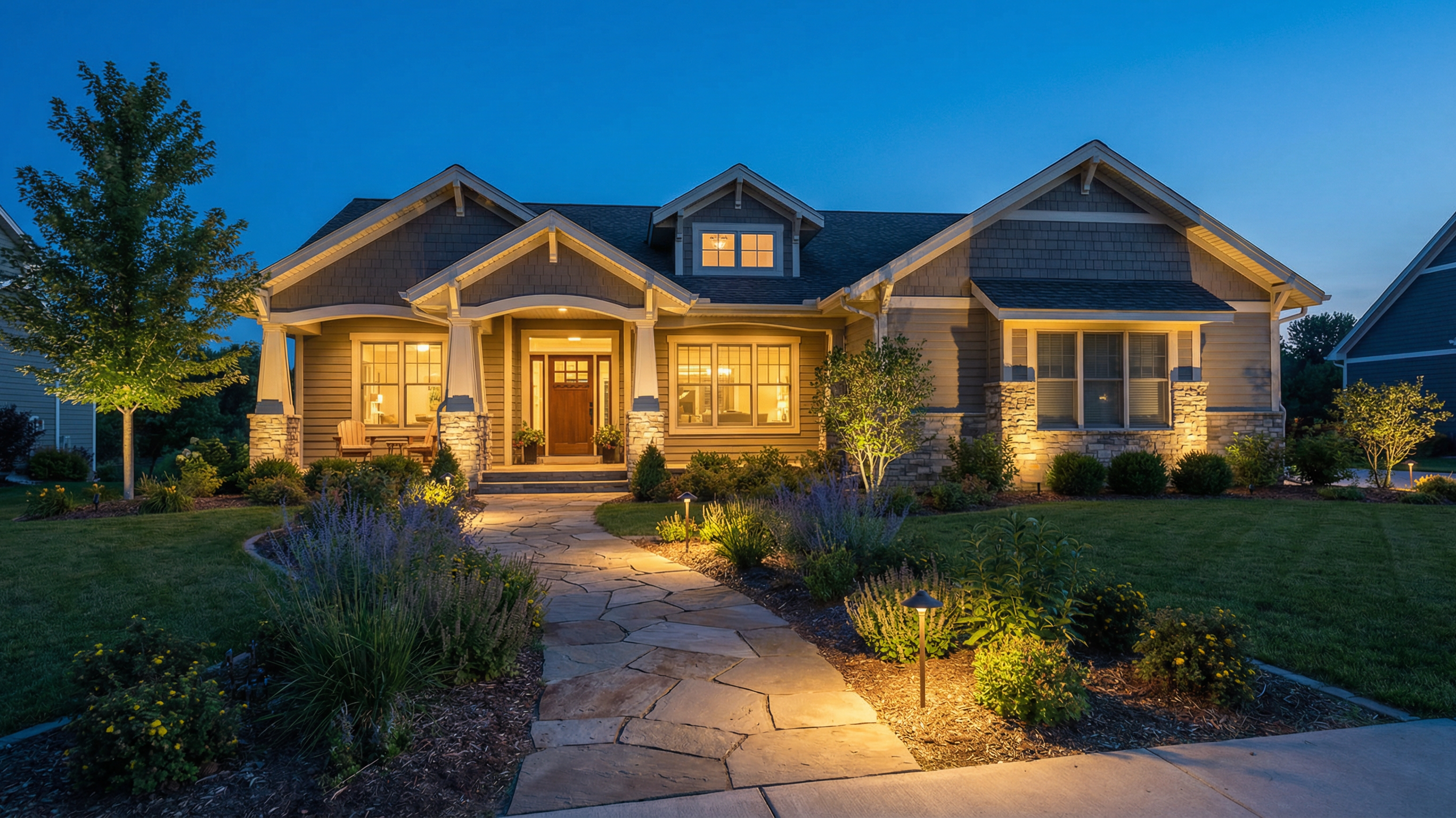
Low Voltage Lighting Voltage Drop: A Practical Cable Layout Plan for Cleaner Installs
To reduce low voltage lighting voltage drop, plan the cable layout first, split the yard into runs or zones, and use thicker wire when distance or wattage increases. Test the full run at night before burying cable to confirm consistent brightness.
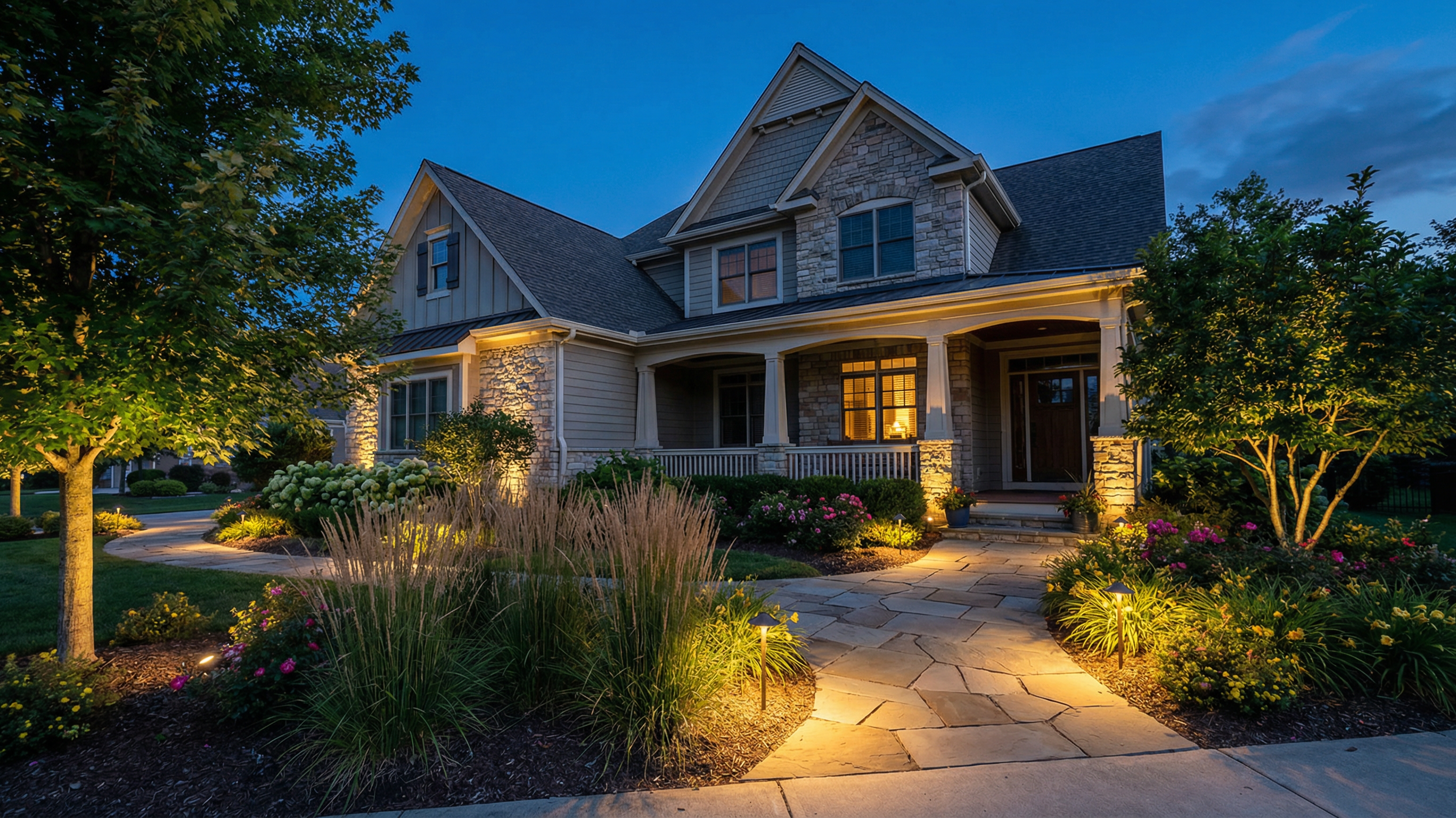
How Many Low Voltage Landscape Lights Do You Need?
Estimate low voltage landscape lighting by using 6–10 ft spacing for paths, 10–15 ft for driveways, and 4–8 fixtures per backyard use area, then refine the count with a nighttime layout test.
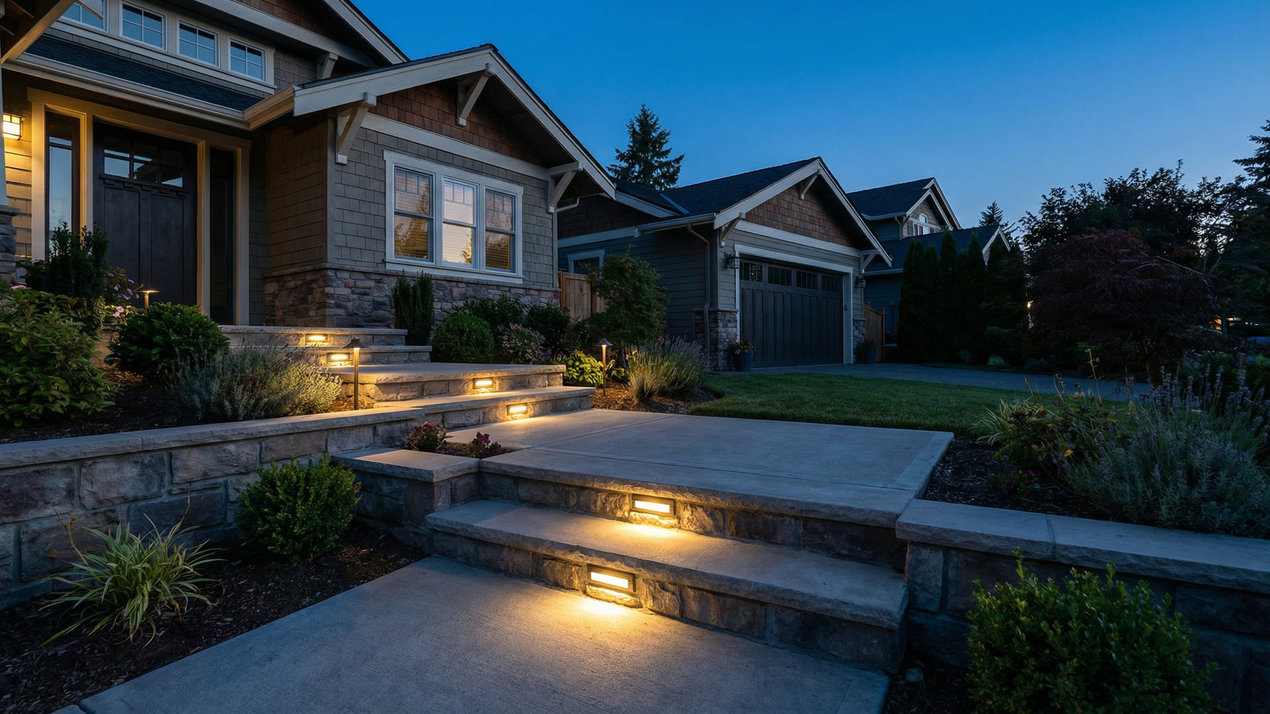
Outdoor Step Lights: A Practical Buying Guide for Homeowners
Choose outdoor step lights by matching the mounting style and beam control to your steps, then confirm brightness, color temperature, wiring approach, and weather resistance. Plan spacing first and test placement before final mounting to avoid glare and uneven coverage.
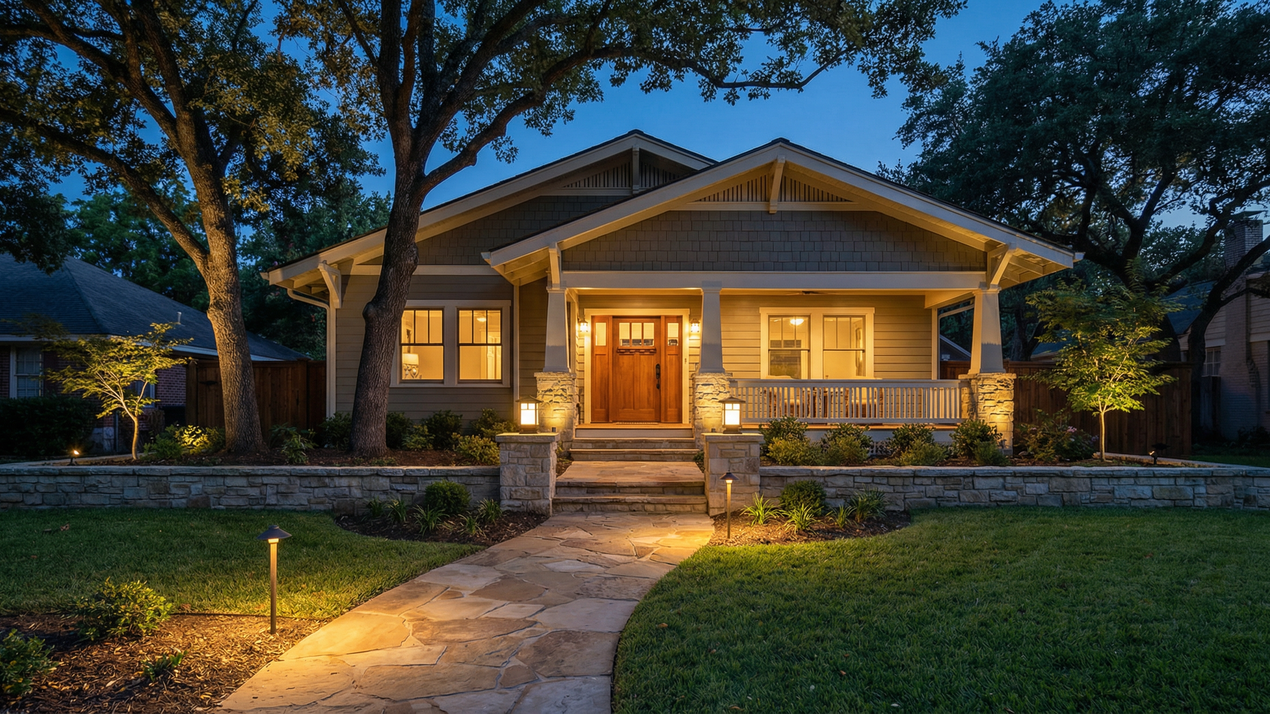
How to Choose the Right Low Voltage Cable for Outdoor Lighting
Choose low voltage cable by sizing the gauge for your total wattage and actual run length to minimize voltage drop and keep light output consistent. Use direct-burial rated, durable cable and leave capacity for future fixture additions.

How to Choose the Right Low Voltage Transformer for Outdoor Lighting
Choose a low voltage transformer by calculating your total fixture wattage, leaving capacity headroom, and selecting features like multiple voltage taps and suitable controls. Match the transformer to your wiring layout and yard zones to reduce voltage drop and keep outdoor lights consistent.
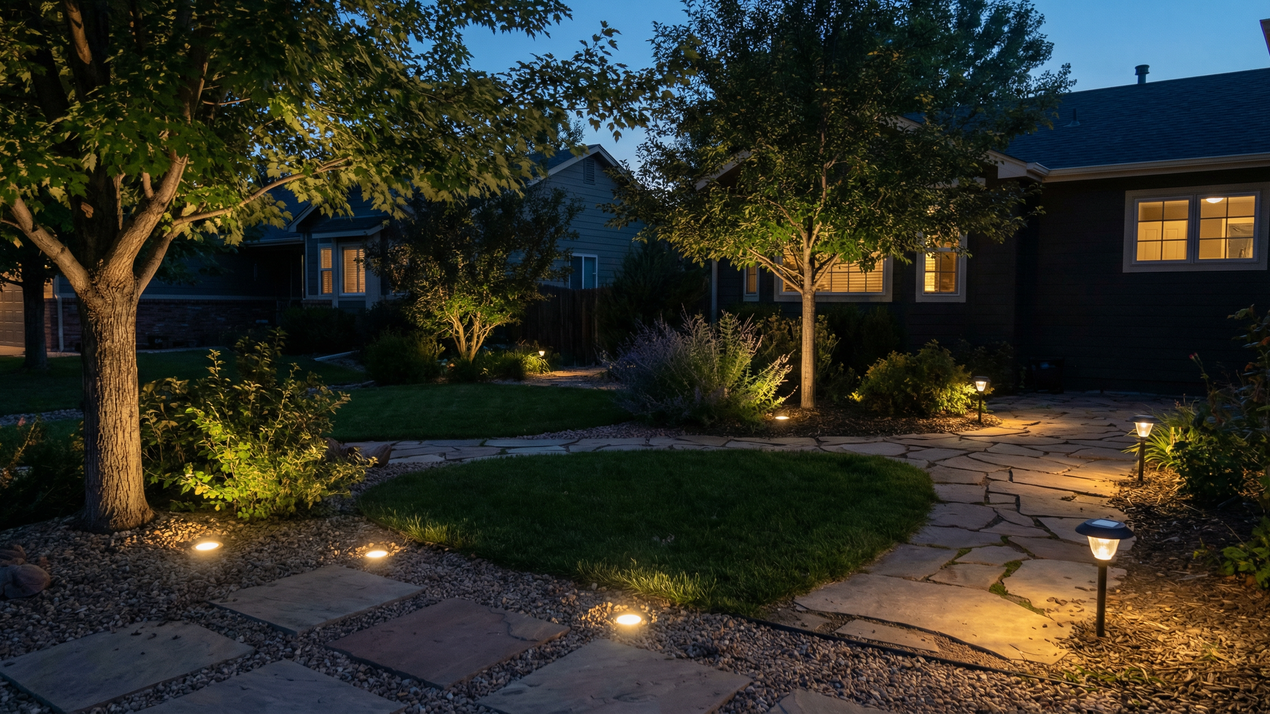
Low Voltage In-Ground Well Lights: A Practical Buying Guide for Homeowners
This guide explains how to choose low voltage in-ground well lights based on real installation needs, including housing durability, drainage, beam angle, brightness, and placement. It also outlines practical use cases like tree uplighting, driveway and walkway edges, and hardscape accents to avoid glare and uneven light.
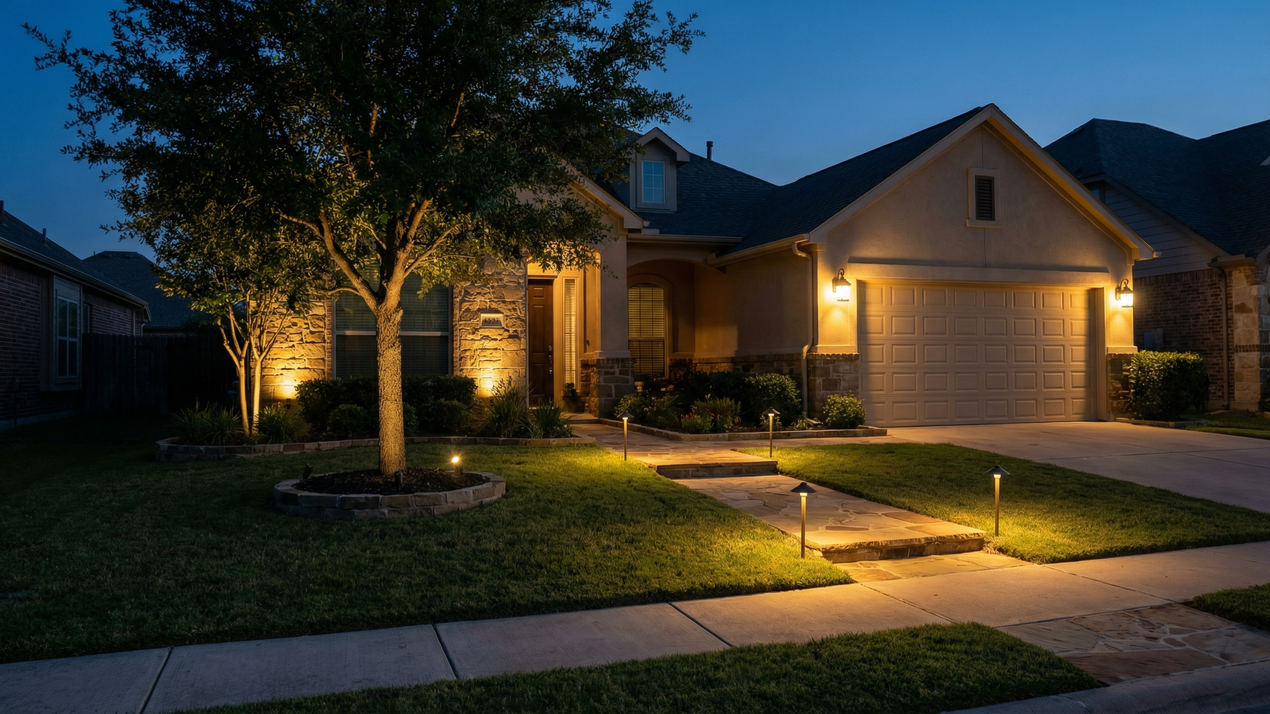
Landscape Spotlight Buying Guide: How to Choose the Right Fixtures for Your Yard
Choose a landscape spotlight by matching beam angle, brightness, adjustability, and mounting style to the feature you want to highlight. Test placement and aiming at night to control glare and get the intended coverage.
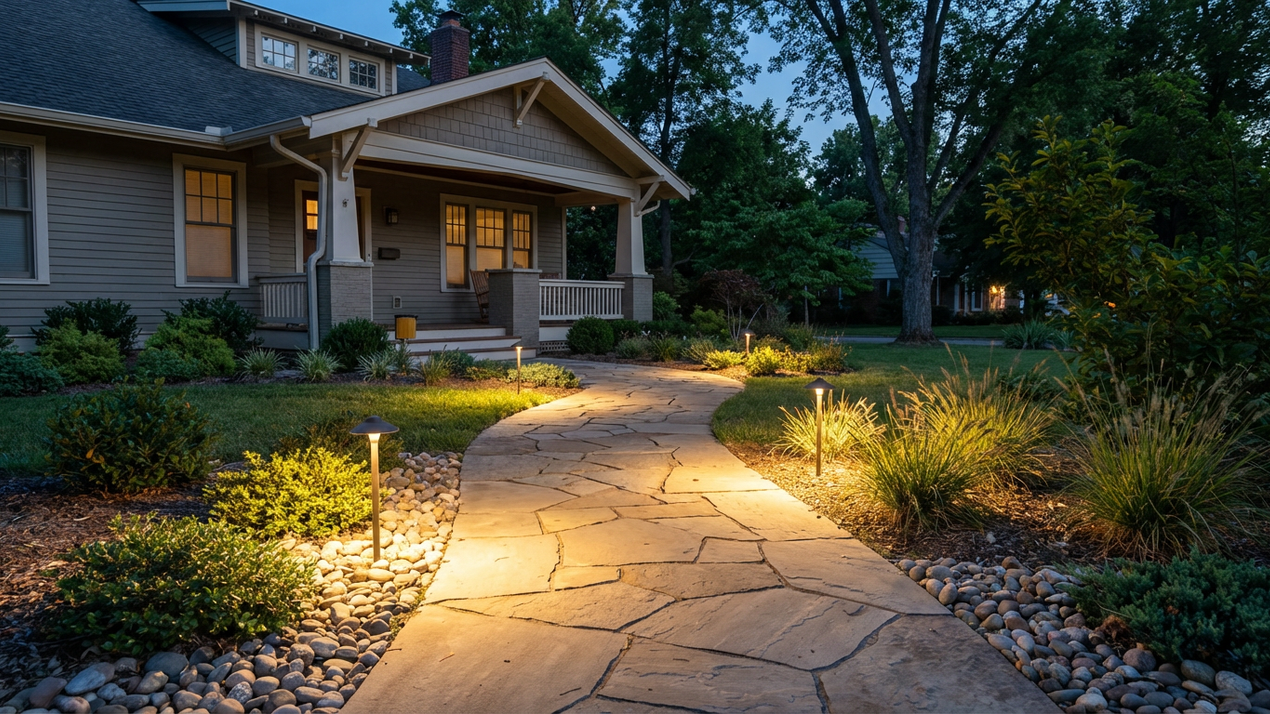
How to Choose Pathway Lights for a Practical, Well-Lit Yard
Choose pathway lights by prioritizing even, low-glare illumination, consistent color temperature, and durable materials suited for ground-level outdoor conditions. Plan the layout first by testing shadows and spacing at night to avoid dark gaps and uncomfortable glare.