
Landscape Lighting Basics
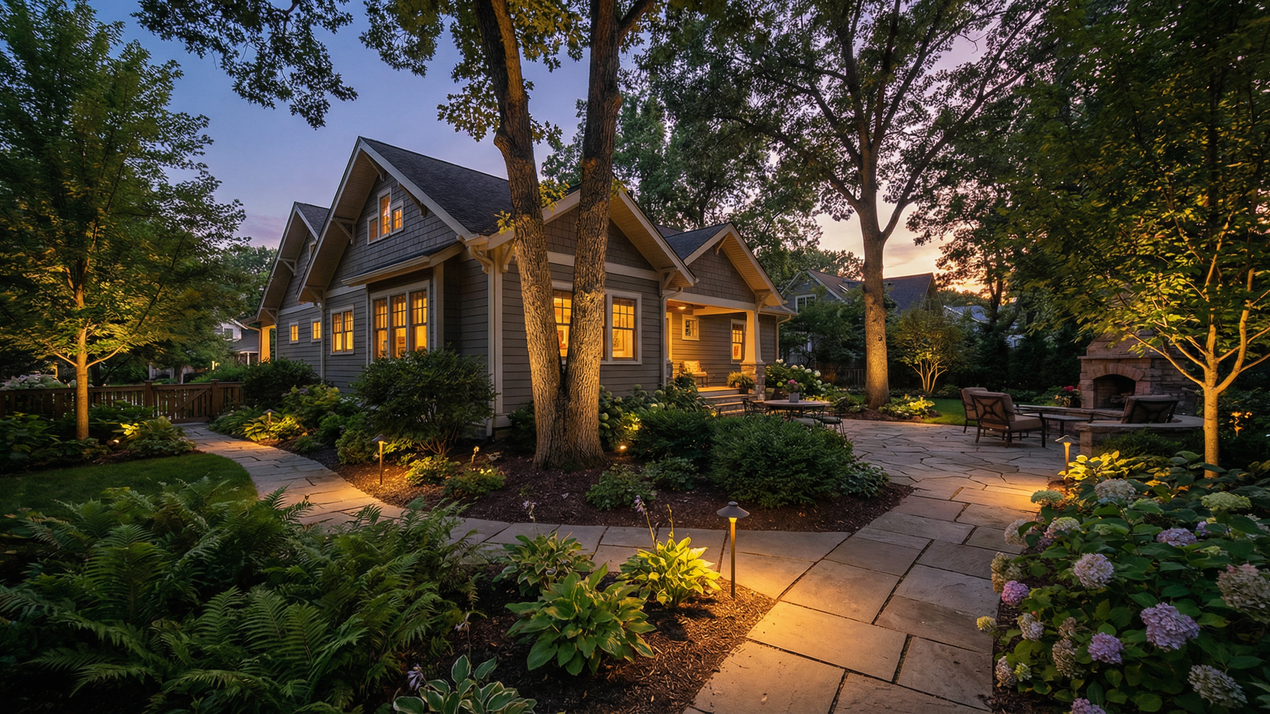
Landscape Lighting Certification: UL and ETL Explained
Landscape lighting certification means an outdoor lighting product has been independently evaluated for applicable safety standards, with UL and ETL being the marks most U.S. homeowners usually look for. The article explains what those marks mean, how they compare, and what to check before buying low-voltage landscape lights.
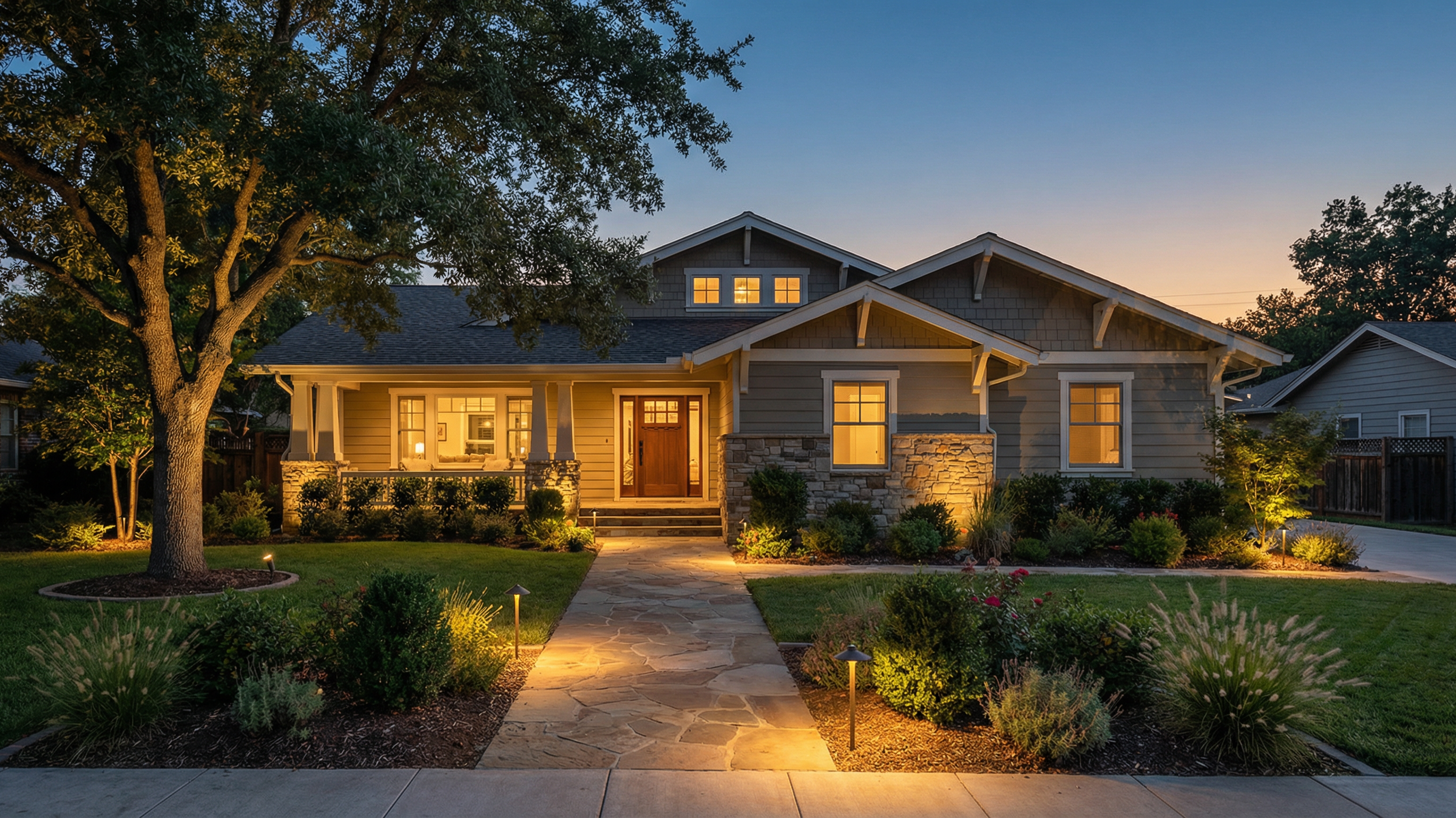
Low Voltage Landscape Lighting Installation Cost: DIY vs Hiring an Electrician
DIY installation usually keeps low voltage landscape lighting installation cost lower and makes future adjustments easier. Hiring an electrician is often a better fit for larger layouts, longer cable runs, or when you want faster, more certain results.
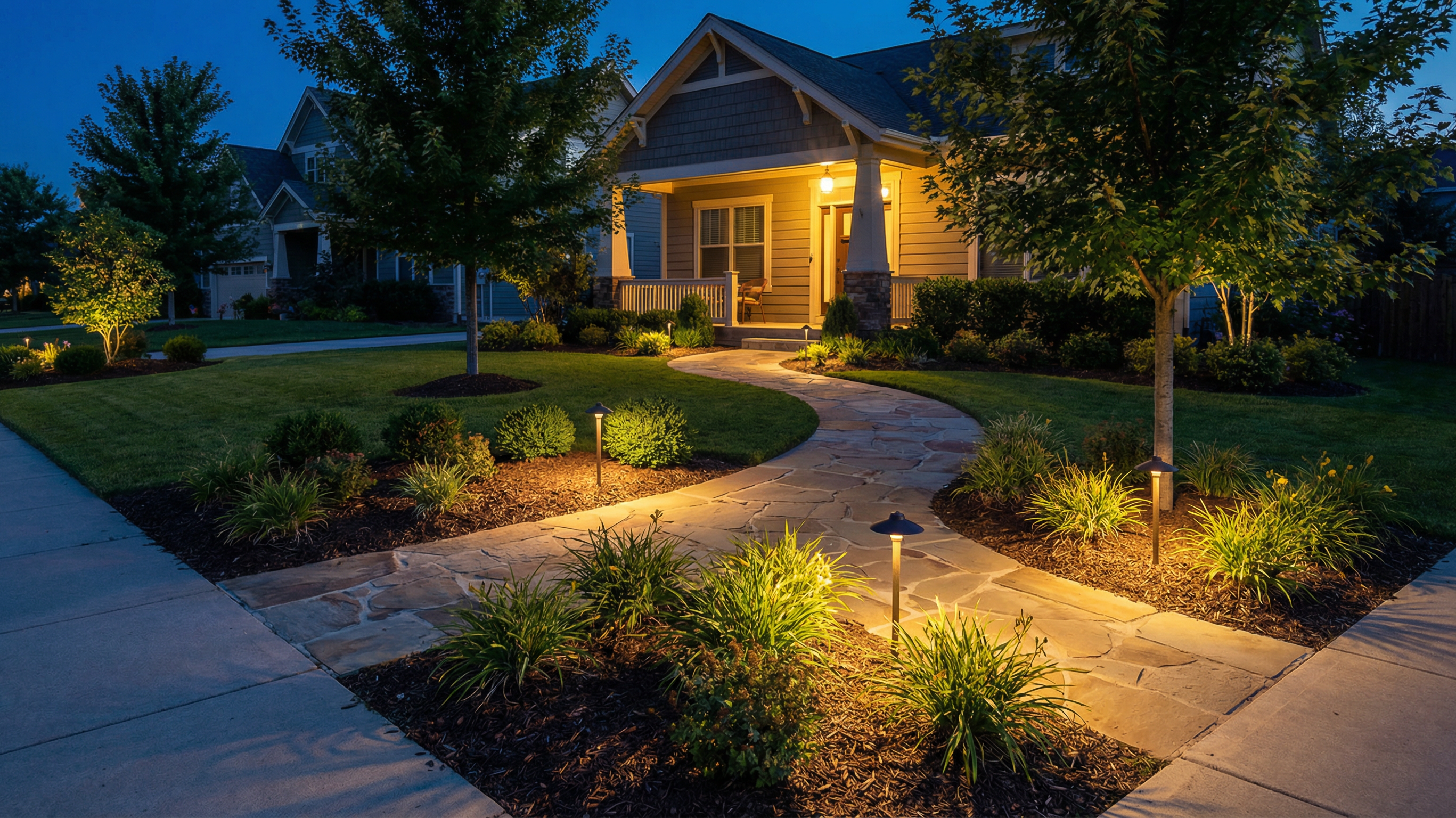
Outdoor Electrical Safety Basics for Outdoor Lighting: GFCI Outlets, Outdoor-Rated Cable, and Waterproof Connectors
Outdoor electrical safety for outdoor lighting comes down to three basics: a working GFCI, outdoor-rated cable matched to the install, and truly waterproof splices. The article explains how to verify GFCI protection, avoid common wiring and connector failures, and recognize when to call an electrician.
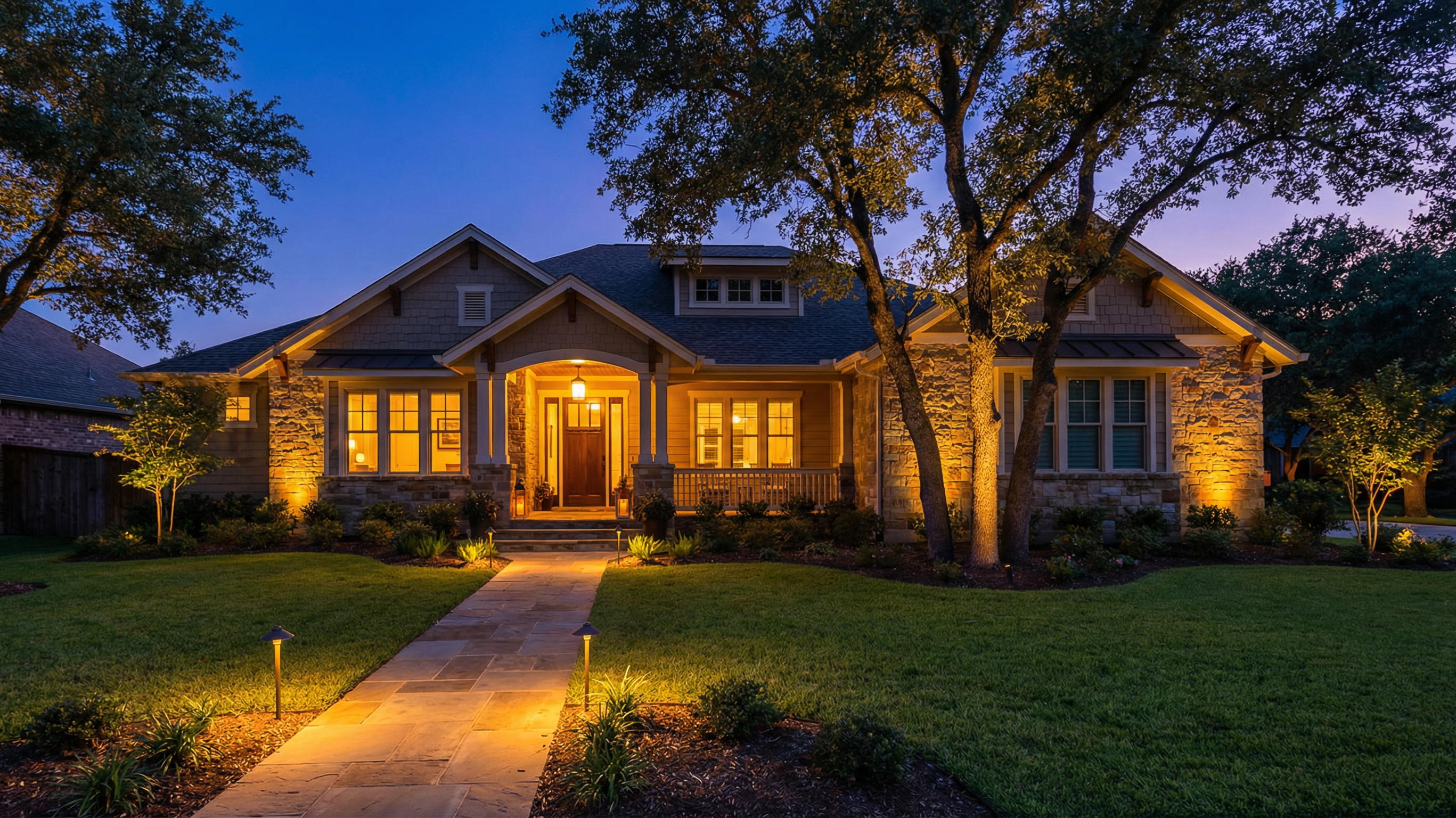
Why Low Voltage Landscape Lighting Is Safer Than Line Voltage
Low voltage landscape lighting is safer than line voltage because the lower voltage reduces shock risk and keeps higher voltage confined to a single transformer point. The article explains how this improves safety in wet outdoor environments and outlines key DIY practices to maintain that safety advantage.
Lumens vs Watts: What They Mean for Brightness and Energy Use
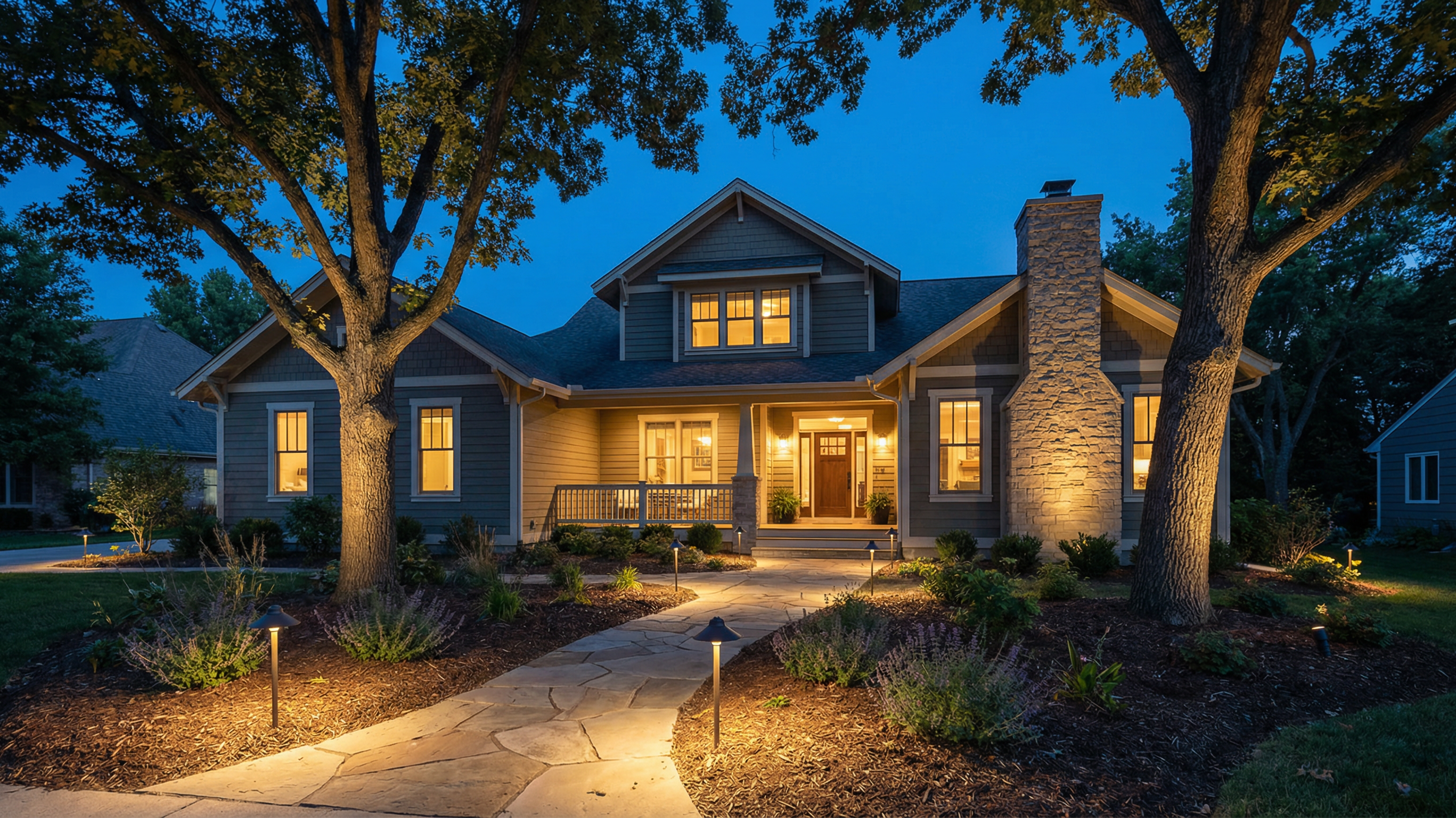
Lumens measure how bright a light is, while watts measure how much power it uses, so choose fixtures by lumen output and use wattage to plan transformer load and estimate energy cost. Beam angle and aiming affect perceived brightness, so lumen targets should be matched to the lighting task.
Understanding Light Beam Angle: How to Choose Between Narrow and Wide Beams for Outdoor Lighting
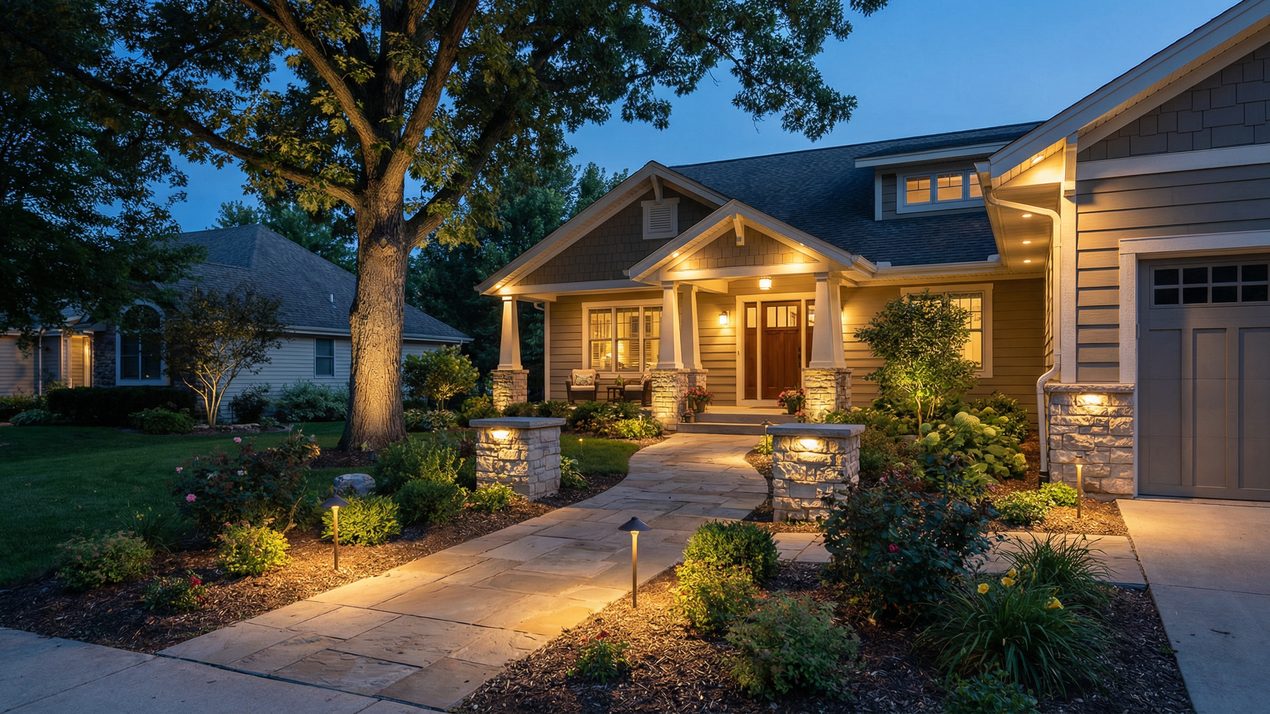
Light beam angle determines how focused or spread out outdoor light appears, shaping coverage, contrast, and glare. Choose narrow beams for targeted highlights like trees and features, and wide beams for even illumination on pathways, steps, patios, and walls based on distance, mounting height, and target size.
How to Plan a Complete Low Voltage Landscape Lighting System for Your Yard
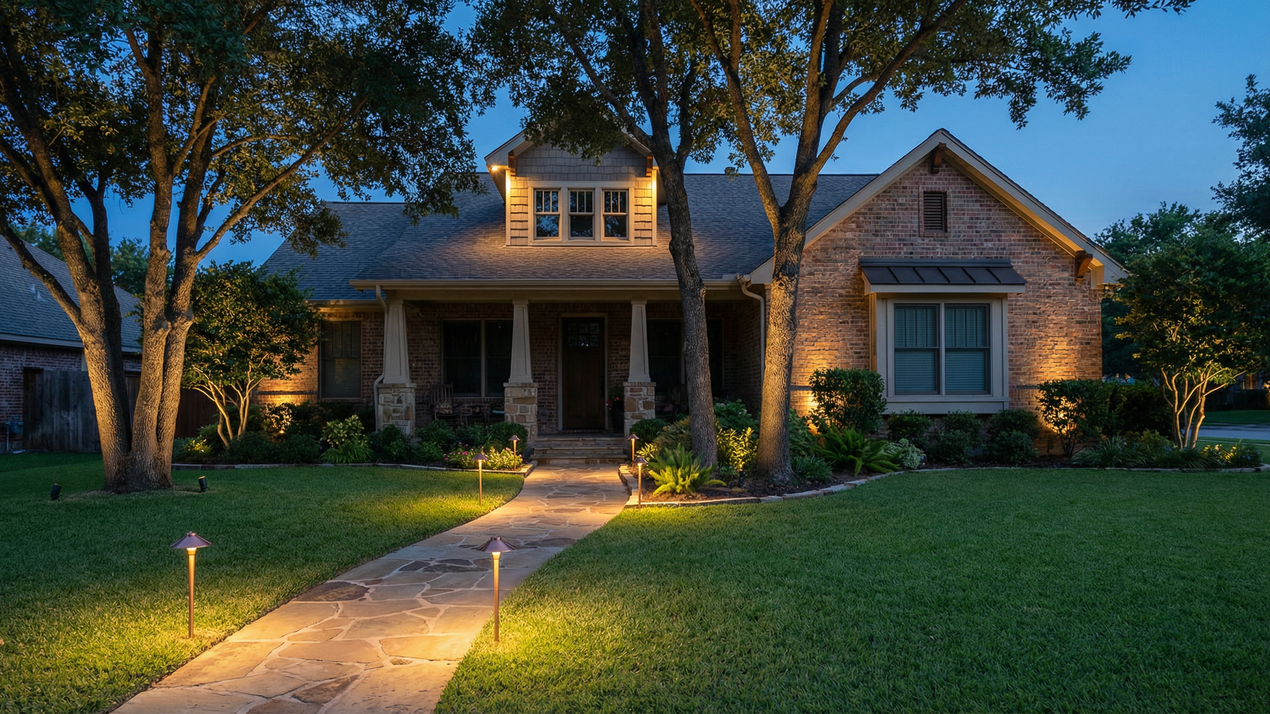
Plan a complete low voltage landscape lighting system by mapping yard zones, assigning fixture types to each use, and calculating total wattage before choosing a transformer and cable. Use practical spacing and aiming so paths, steps, and features are lit evenly without glare or inconsistent output.
Low Voltage vs Solar vs Line Voltage Landscape Lighting: What Homeowners Should Know
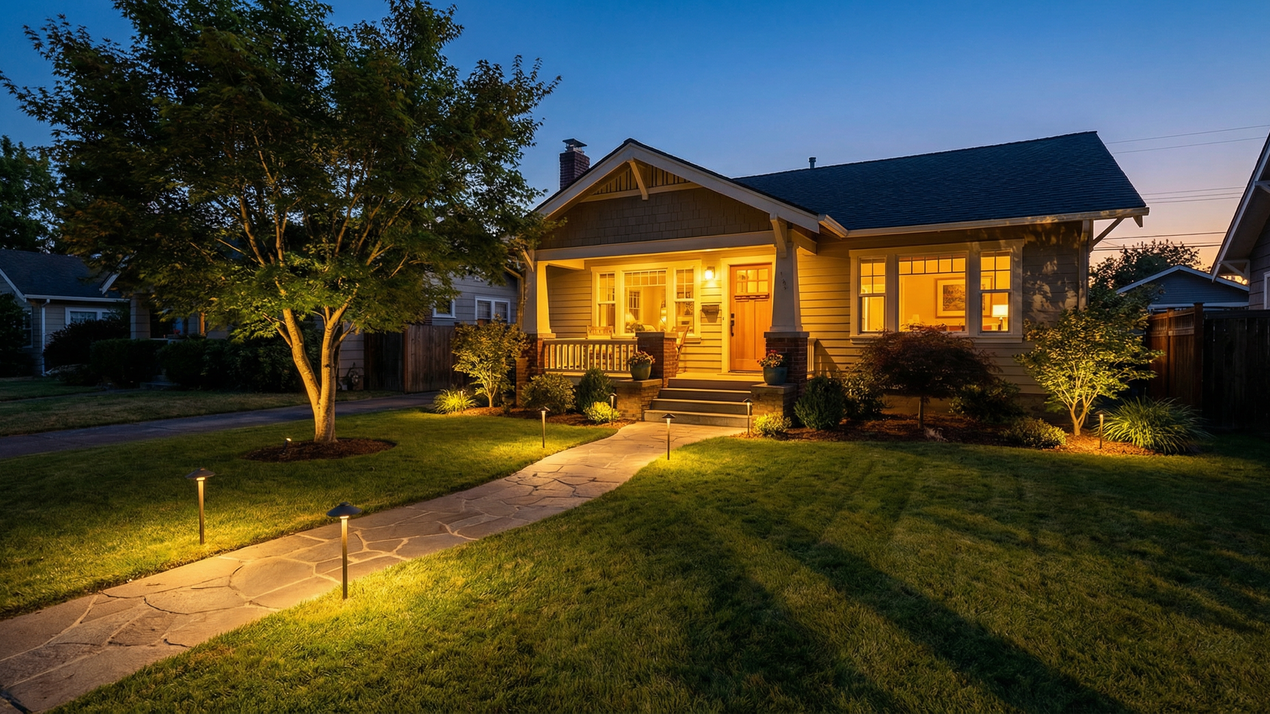
Low voltage landscape lighting, solar lights, and line voltage lighting differ in power source, control, and consistency. Most residential yards that need reliable, adjustable lighting are best served by low voltage systems, while solar suits simple no-wire spots and line voltage fits high-output, permanent installs.
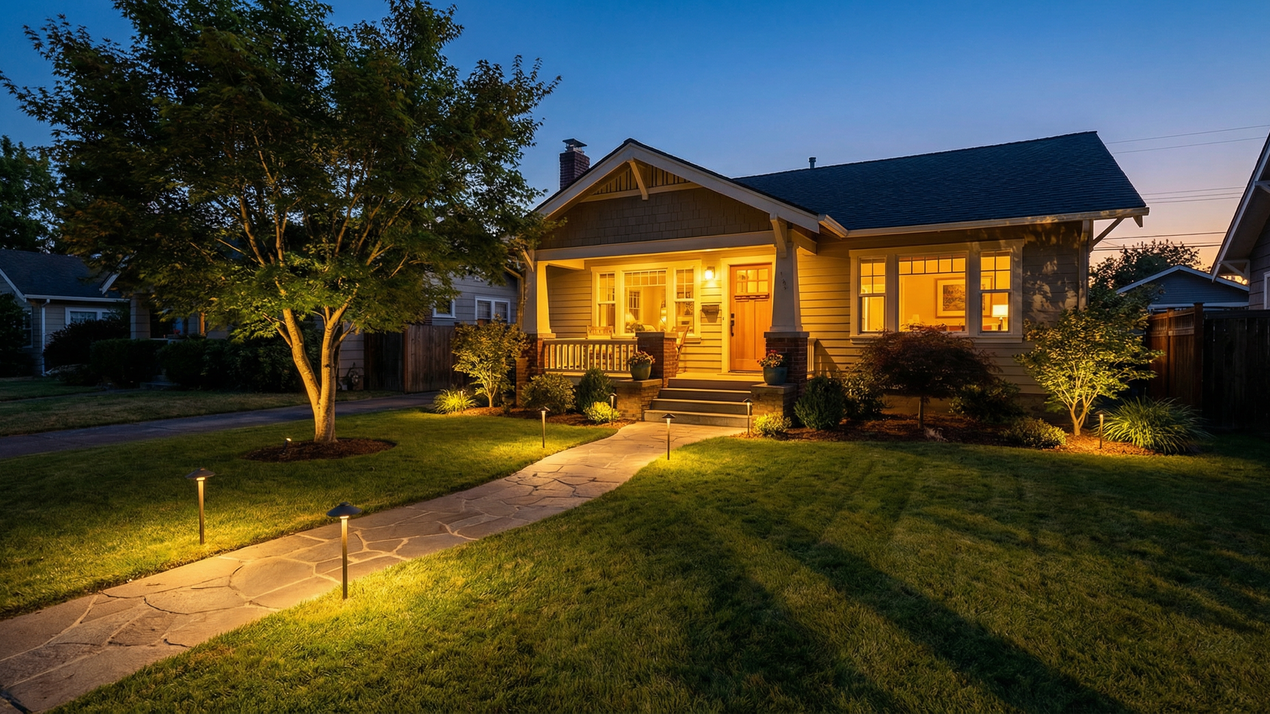
How Much Does Low Voltage Landscape Lighting Cost for a Typical Home Yard?
Most homeowners spend about $300–$1,500 on low voltage landscape lighting for a basic to mid-size yard, depending on fixture count, transformer capacity, cable length, and how much work they do themselves. Yard size and layout choices, especially spacing and coverage goals, are the biggest drivers of total budget.
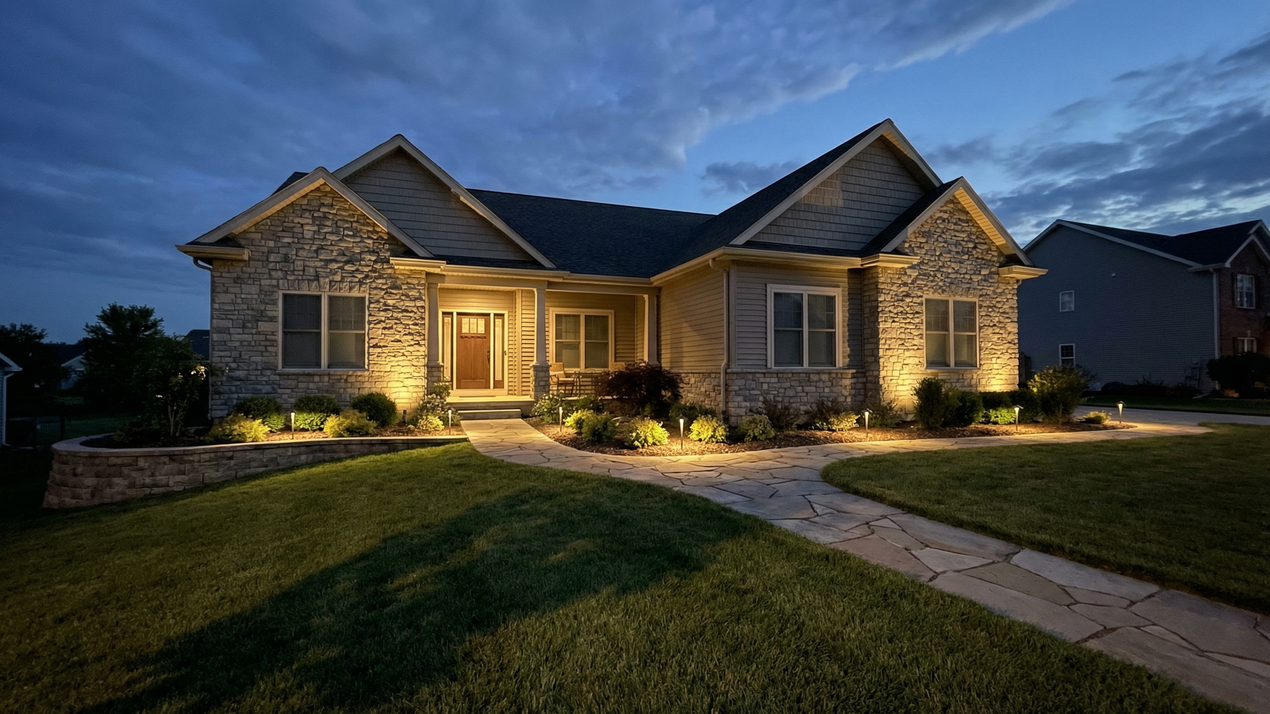
Understanding IP Waterproof Ratings for Outdoor Use
An IP waterproof rating indicates how well a product resists dust and water exposure, using two digits for solids and liquids. Use it by matching the rating to real outdoor conditions such as rain, spray, or potential pooling around ground-level installations.
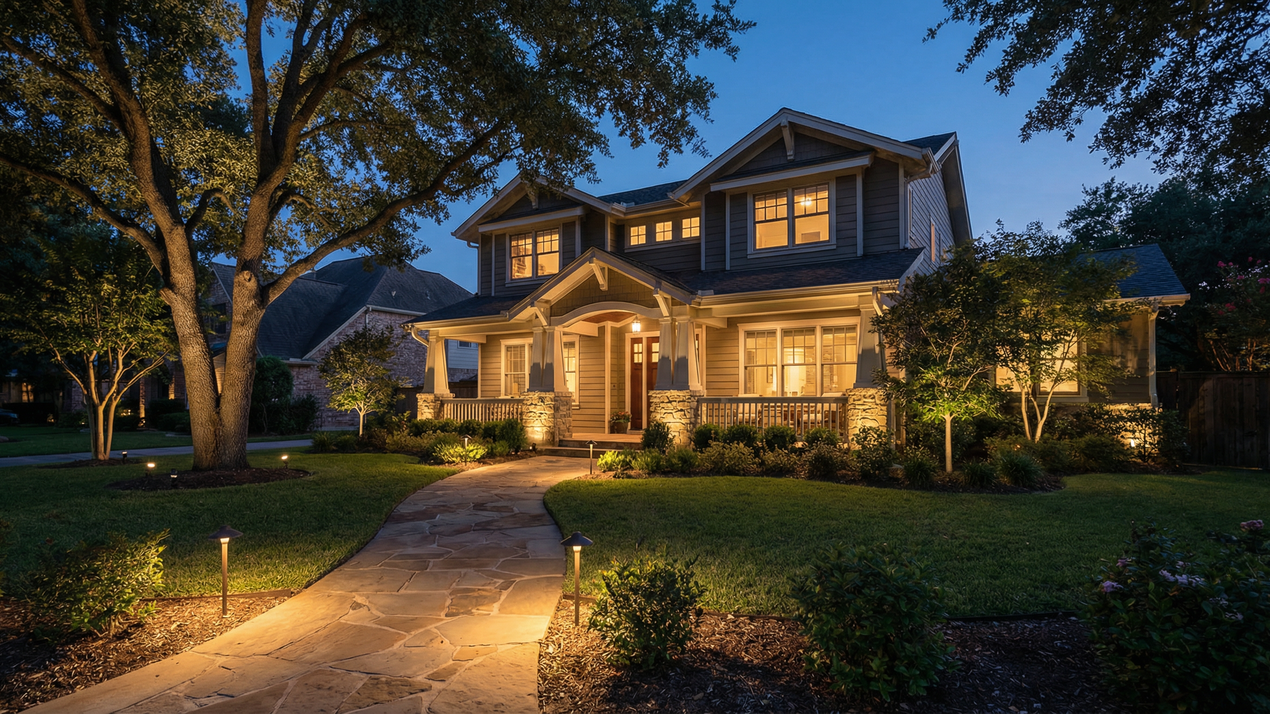
Understanding the Main Types of Outdoor Landscaping Lights
Outdoor landscaping lights include path lights, spotlights, in-ground and hardscape lights, and floodlights, each designed for a specific job. Choosing the right mix depends on whether you need guidance lighting, feature accents, or broad coverage in different yard areas.
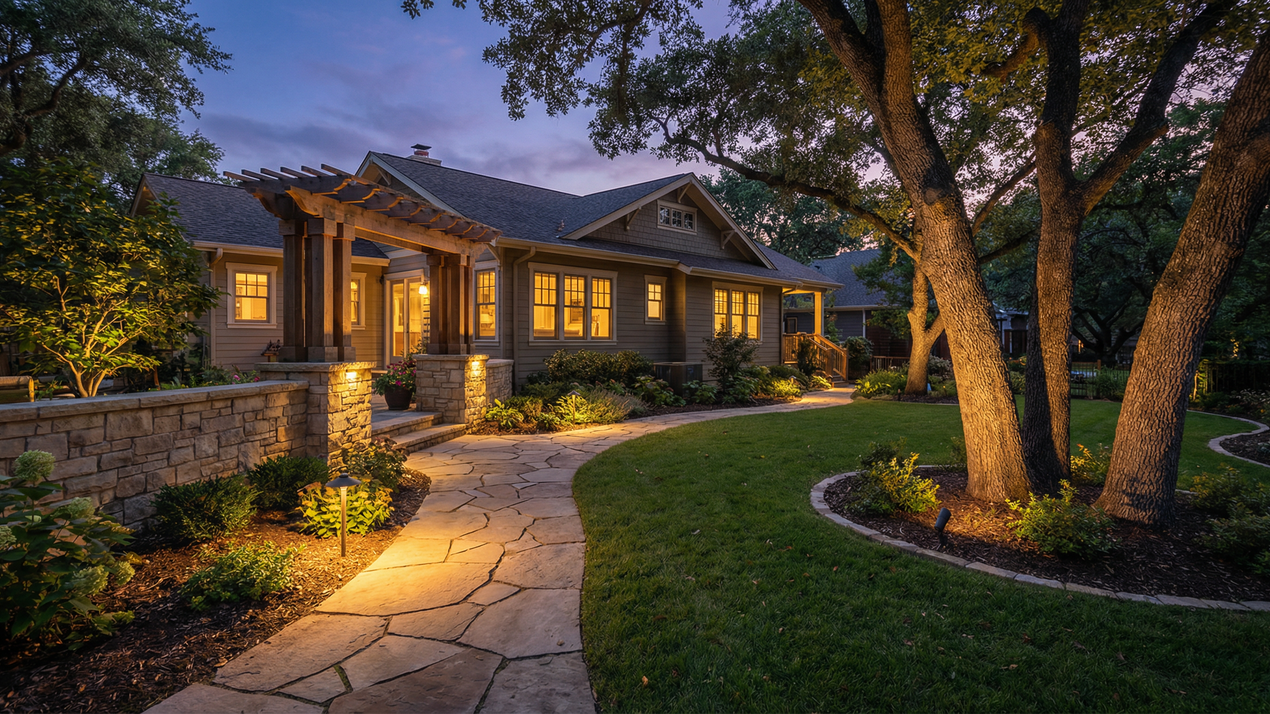
What Makes Up a Low Voltage Landscape Lighting System?
Low voltage landscape lighting systems are made up of a transformer, low voltage cable, outdoor fixtures, connectors, and controls that deliver 12V power safely across a yard. Component sizing and layout choices—especially cable runs and connections—determine brightness consistency and long-term reliability.